Prose
a briar's lament
read
In a kingdom where the moon shone brightly and the stars merged into constellations so beautiful, there grew a blackthorn beneath the ruins of an abandoned chapel.
The doves sat on the stained glass remains, with their pure white coats; the lilies bowed down their perfumed necks. But the blackthorn stood crooked in between the altars, its shadow stretching menacingly. And thus, the kingdom named it ill-omened, a bruise in the garden, a thing that ought to scare the dark itself.
None had seen the blackthorn in spring.
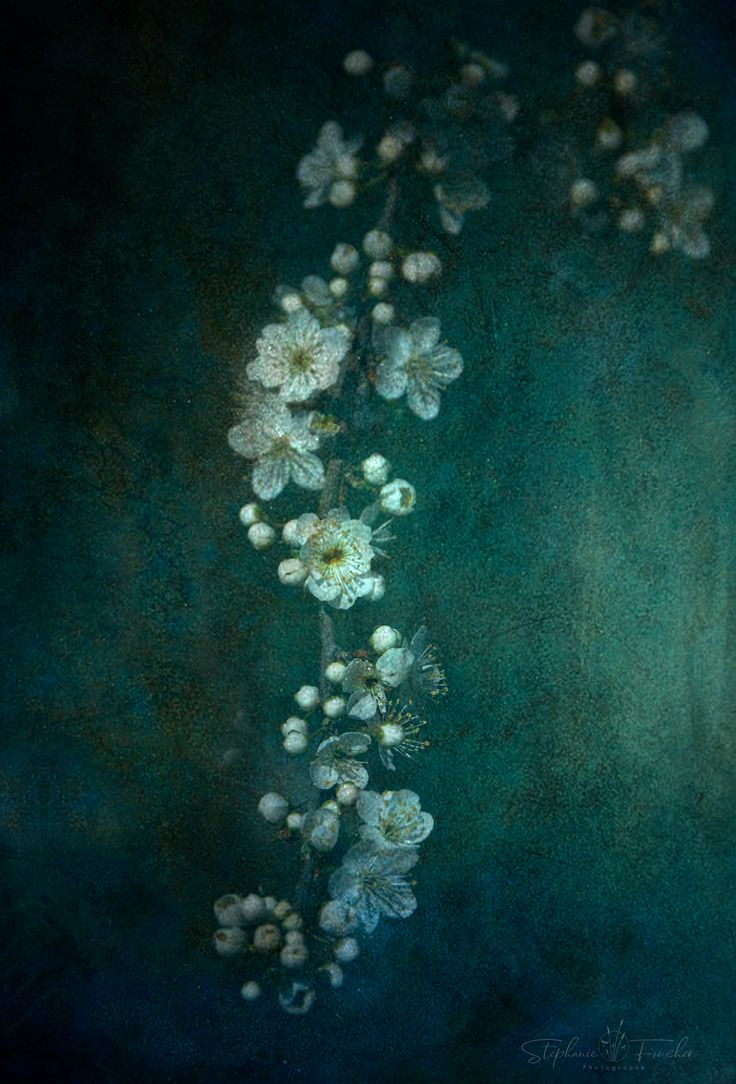
For, before the harsh winter had laid its pale fingers upon the ground, it had borne blossoms whiter than the snow itself, so delicate that even the breeze was sure to be jealous of it. But the passing humans plucked it without mercy, and the wandering beasts trampled on its tender limbs. And so, the thorns grew, and the blossoms ceased to exist.
Yet, beneath the bark, the old nectar still ran deep.
One evening, a moth had strayed away from the town's lanterns and had made its way to the darkest sprig. The blackthorn trembled, lest its bristles tear the creature's appendages. All night, it held perfectly still, whilst the storm above made its ruckus and subsided.
By the morning, the moth had left.
The villagers could only see the crooked silhouette of the tree, its darkened branches, and the spiny protrusions. They shunned it away, accused it, and hurried past it when the lanterns wouldn't burn.
Thus did the blackthorn endure, crowned as the embodiment of darkness, whilst its roots branched out beneath the soil, searching for a garden that would never ever claim it.
And somewhere, between the quietness of the twilight and the first birdcall, the wind would pass through the empty chapel, its arms brushing the blackthorn, as if in pity; its soft sound against the chapel windows, making a sound uncannily like weeping.
This was the fate of the blackthorn. Nothing could erase that.
The villagers called it a curse.
The moon, who had witnessed all, called it nothing. For the moon knew that some wounds are so foreign to the heart of others, their mere confession is taken for a crime.